The 30-Second Summary
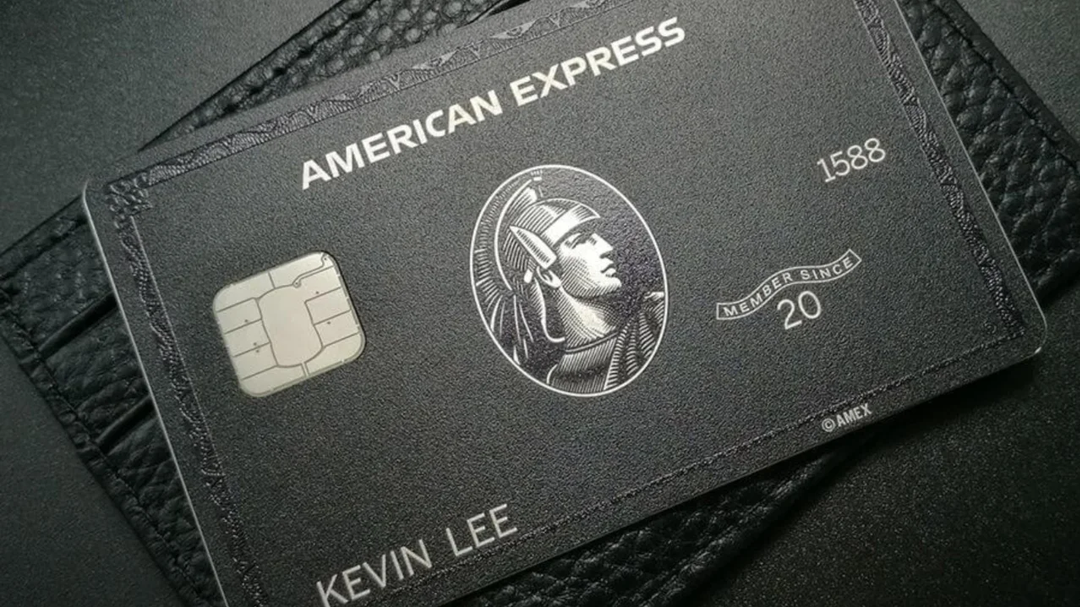
Debit cards draw funds directly from your checking account ("pay now"). Credit cards borrow funds from an issuing bank up to a credit limit ("pay later"). American Express (Amex) functions both as the card issuer AND the payment processor ("closed-loop network"), allowing them to offer premium rewards, charge cards, and custom perks.
1. The Payment Card Ecosystem: Who Does What?
When you swipe a card, up to four distinct entities process the transaction behind the scenes:
2. Debit Cards vs. Credit Cards
The primary difference lies in whose money you are spending at the point of sale:
💳 Debit Cards (Pay-Now)
- Deducts cash directly from your bank account instantly.
- No interest charges since you aren't borrowing money.
- Does not build a credit history or credit score.
- Lower fraud protection limits compared to credit cards under law.
💳 Credit Cards (Pay-Later)
- Uses a pre-approved line of credit provided by the issuing bank.
- Grace period (usually 21–25 days) before interest accrues.
- Reports monthly to credit bureaus to build credit history.
- Robust consumer protection against fraudulent charges.
3. What Makes American Express (Amex) Unique?
Unlike Visa or Mastercard—which are strictly technology networks connecting banks—American Express operates a Closed-Loop Network. They act as both the card issuing bank and the transaction clearing network.
⭐ The Amex Distinction & Business Model
Amex famously pioneered Charge Cards (like the Green, Gold, and Platinum cards), which historically required paying the balance in full every month with no preset spending limit, rather than carrying a revolving balance with interest.
Amex charges merchants higher processing fees than Visa or Mastercard. In exchange, Amex targets high-spending cardholders and funds premium travel perks, lounge access, and concierge services.
4. Side-by-Side Comparison
| Feature | Debit Card | Visa / Mastercard Credit | American Express |
|---|---|---|---|
| Source of Funds | Checking Account | Bank Revolving Credit | Amex Direct Credit Line |
| Network Model | Visa / Mastercard / Interac | Open Loop (Multi-Bank) | Closed Loop (Direct) |
| Credit Building | No | Yes | Yes |
| Merchant Acceptance | Universal (>99%) | Universal (>99%) | High (Selective Merchants) |
| Primary Benefit | Budget control & ATM cash | Flexibility & points rewards | Premium travel & perks |