
What you’ll learn
When the 50/30/20 rule works, how to adapt it, practical steps to implement it, and examples for different income and cost-of-living scenarios.
What is the 50/30/20 rule?
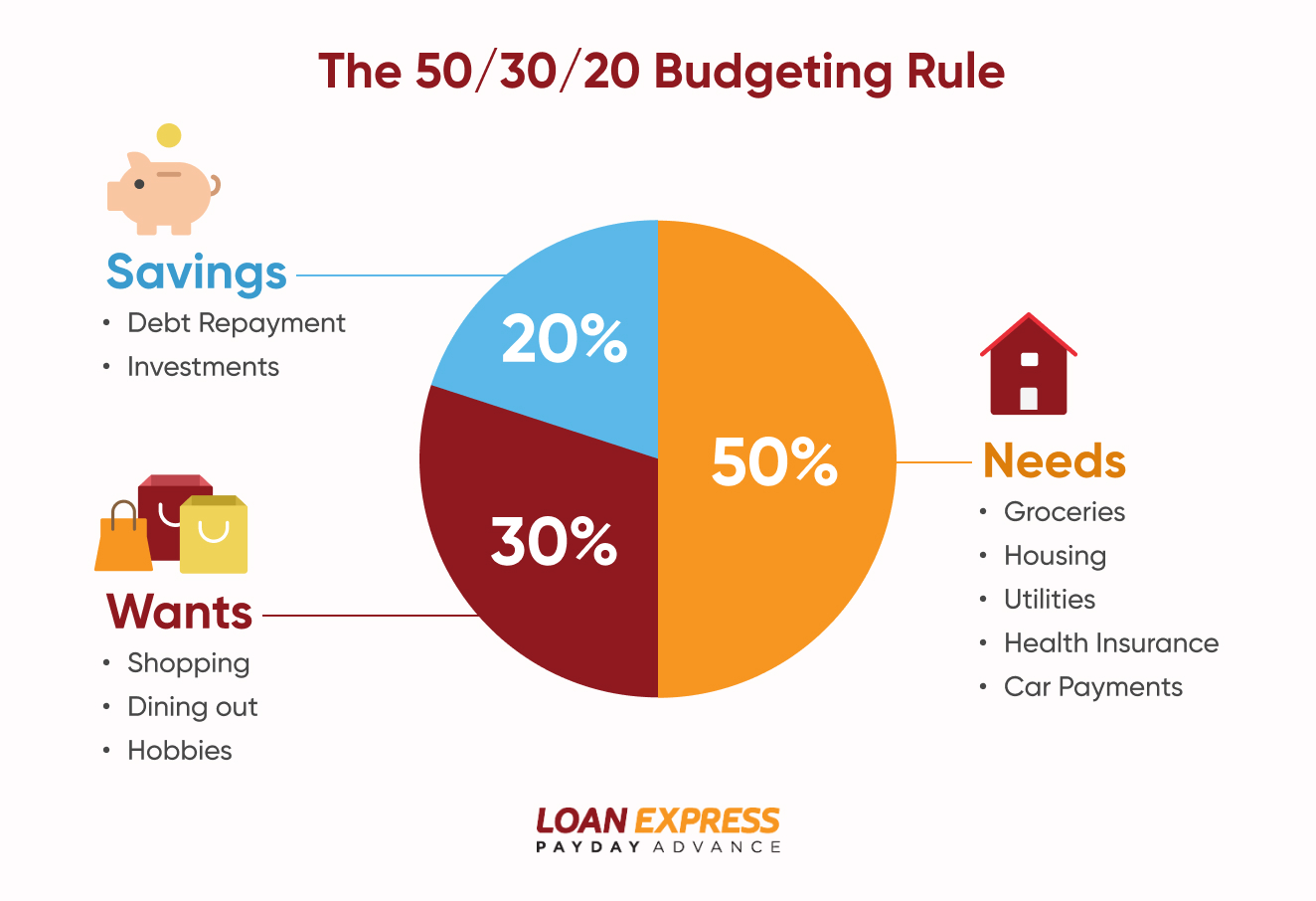
Divide your after-tax income into: 50% needs (housing, utilities, groceries, minimum debt payment), 30% wants (dining out, entertainment, vacations), and 20% savings/debt repayment (emergency fund, retirement, extra debt payments).
When to adapt the rule
High housing costs, student loan burdens, or single-earner households often need different splits. Two practical options:
- 60/20/20 — raise needs when housing consumes a large share of income.
- 40/40/20 — when you can constrain wants and aggressively save.
Practical implementation steps
- Calculate your average monthly net income (use a 3-month rolling average if income varies).
- List fixed necessary bills and essential spending to determine the ‘needs’ bucket.
- Automate the 20% savings transfer to a dedicated account before discretionary spending.
- Review subscriptions quarterly and negotiate large bills annually.
Pair this rule with specific savings targets from How to Save $10,000 in One Year when you need an aggressive short-term goal.
Examples
Take-home $3,000/month — baseline
- Needs (50%): $1,500
- Wants (30%): $900
- Savings/Debt (20%): $600
High-cost city — $3,000/month — adapted
- Needs (60%): $1,800
- Wants (20%): $600
- Savings/Debt (20%): $600
Common pitfalls and fixes
- Counting non-essential items as needs — be strict about what is essential.
- Not automating savings — automation is the most powerful single behavioral fix.
- Ignoring irregular costs (insurance, taxes) — smooth these by saving monthly into a reserve account.
FAQ
Is 50/30/20 enough if I have a lot of student debt?
You can temporarily reweight to accelerate debt repayment (for example 50/20/30 where 30% goes to debt) and then return to a higher savings mix after balances drop.
How often should I revisit my split?
Quarterly is reasonable for most households; revisit after major life events like job changes or moving.
For budgeting frameworks that support wealth building, read How to Build Wealth From $0.
Sources
- Investopedia — 50/30/20 rule — Origin, adaptations, and practical examples.
- Elizabeth Warren — All Your Worth (origin of the rule) — Original framing and practical context.
- CFPB — Tools and checklists for budgeting and tracking expenses.