
Quick summary
Build an immediate micro-buffer, cut discretionary leaks, prioritize paying off high-interest debt, increase your income modestly and sustainably, then automate disciplined investing into low-cost vehicles.
1 — Immediate foundation (0–30 days)
Start with small, high-impact actions: create a 30-day expense log, pause nonessential subscriptions, and create a micro emergency fund of $500–1,000 by selling or reallocating a nonessential item.
2 — Budgeting and leakage control
Apply a simple budgeting framework (the 50/30/20 rule is a good baseline) and focus on small recurring "leak" items — streaming services, premium plans, recurring delivery fees — that can be trimmed without large lifestyle changes.
For an adaptive budgeting approach see our 50/30/20 guide.
3 — Debt management (high-cost priority)
High-interest consumer debt compounds quickly and should be the immediate priority after the micro-buffer. Choose a repayment strategy that you will follow consistently — the snowball method for behavioral wins, or the avalanche method to minimize total interest paid.
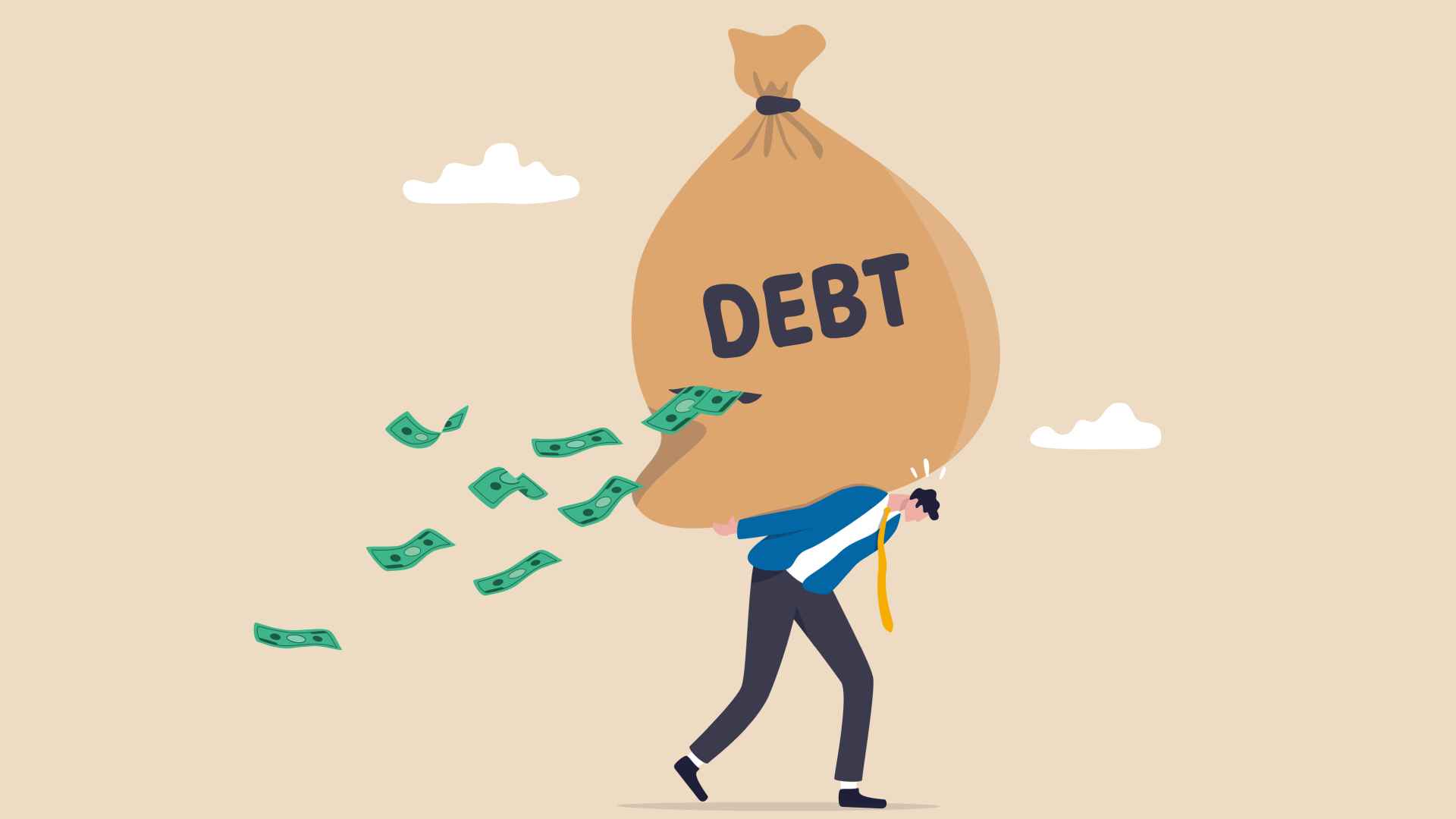
4 — Income growth tactics (scalable and repeatable)
Increasing income accelerates wealth-building. Prioritize repeatable sources that scale: freelance services tied to your main skillset, small consulting engagements, or productized side-hustles where revenue scales beyond hourly time.
- Short-term: monetize an existing hobby on marketplaces.
- Medium-term: upskill to increase hourly rates.
- Long-term: build a scalable digital product or small e-commerce with repeat sales.
5 — Start investing: consistency over sophistication
Once high-cost debt is reduced and a small emergency buffer exists, begin automated contributions into low-cost, broad-market ETFs or index funds. Set recurring buys and enable dividend reinvestment to harness compounding without behavior-dependent timing.
See our investing blueprint for practical setup: Stock Market Investing: The Complete Beginner's Blueprint.
6 — Timeline and milestones
Below are three illustrative tracks depending on aggressiveness and income:
- Conservative: small buffer in 3 months → eliminate high-cost debt in 24 months → $100/month investing thereafter.
- Balanced: buffer in 1 month → side income within 6 months → $300/month investing within 12 months.
- Aggressive: buffer + debt cleared in 6–9 months with side income → $500+/month investing thereafter.
7 — Behavioral rules and guardrails
- Automate before you spend — schedule transfers to savings and investing accounts immediately after paydays.
- Keep experimental bets small — limit speculative allocations to a single-digit percentage of investable assets.
- Review progress monthly and adjust contributions with income changes.
FAQ
Can I start investing with only $50?
Yes. Fractional shares and low-cost ETFs allow starting with small amounts. The most important factors are regularity and avoiding high fees.
How fast can I become financially independent?
It depends on your savings rate and returns. Increasing your savings rate has the largest impact on timeline; investing efficiently compounds progress.
This article is educational and not individualized financial advice.
Sources
- Consumer Financial Protection Bureau (CFPB) — Budgeting, emergency fund guidance and consumer protections.
- Investopedia — Concepts: savings, debt scenarios, and beginner investing explanations.
- Bankrate — Practical savings comparisons and account guidance.